 Kenneth Lee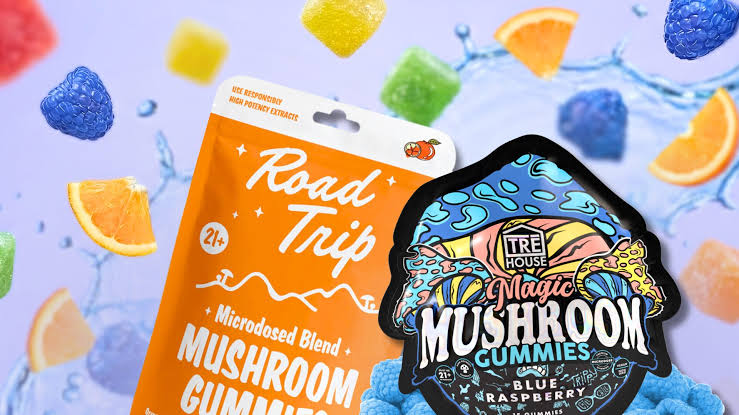
Walk into any smoke shop this year and count how many jars mix mushrooms and cannabinoids. Five years ago, that number was zero. budpop.com/thc-and-mushroom-gummies show where formulation has gone, lion’s mane sitting next to federally legal THC in one gummy, sold to a shopper who probably came in looking for something else entirely. Nobody planned this category. It grew out of two separate wellness booms colliding, and now it has its own shelf.
Mushroom blend categories
- Focus blends built around lion’s mane and small THC amounts for daytime use.
- Energy formulas leaning heavily upon cordyceps for active mornings.
- Reishi-based calm products are aimed squarely toward evening routines.
- Immune framed gummies mixing turkey tail or chaga into broad spectrum bases.
- Amanita muscaria items, which sit in their own legal lane and always will.
Five lanes, five different buyers. Mixing up who wants what is how brands end up warehousing product nobody ordered twice.
Legality lines drawn
Here is where sellers get nervous, and honestly, they should pay attention. Which mushroom went into that formula decides everything. Lion’s mane, reishi, cordyceps, all fine, food ingredients, sold everywhere without drama. Amanita muscaria is a stranger. Its activities were never scheduled federally, so most states allow it, though a handful moved to restrict it and more probably will. Psilocybin? Off limits, full stop, licensed therapy programs excepted. No real brand goes near it in gummy form.
Meanwhile, hemp portions of these recipes lean upon farm bill thresholds, with delta-9 kept under permitted concentration. Retailers have learned to check both halves before stocking anything. Smart brands answer that instinct in advance, printing species names and cannabinoid panels together where a store buyer can see them in ten seconds flat.
Buyer demand drivers
Why do people buy these? Simplicity, mostly. One gummy instead of two bottles. Someone taking a mushroom capsule every morning plus a cannabinoid product every night looks at a combined version and sees a shorter routine plus one less thing to reorder. Then there is plain curiosity. Mushroom talk is everywhere right now, podcasts, feeds, gym conversations, and each wave of chatter sends new searchers toward whichever brands bothered to write clear answers. What keeps them, though, is ritual. Buyers who attach a gummy to a fixed daily moment reorder for months. Buyers who tried it once for fun rarely come back. Retention data across this segment splits along exactly that line, and it shapes everything from serving size down to jar count.
Competitive field shape
Hemp companies got here first. Mushroom supplement makers mostly stayed put, so cannabinoid formulators currently run the category and set its norms. Getting in is easy. Staying in is not. Real fruiting body extract costs several times more than mycelium filler, and plenty of cheap entrants quietly use filler while borrowing craft language. Testing burden doubles too, mushroom actives plus cannabinoids, separate panels, separate spending. Beta-glucan certificates have turned into actual selling points because ingredient fraud has become common enough that educated buyers now ask. When consolidation arrives, and it will, survivors will be operators who audited suppliers before they bought advertising, not after.
So what does this market reward? Clarity, more than anything. Two unfamiliar ingredient families in one purchase means confusion is the default state of every new shopper. Brands explaining species, dose, and legal status in plain words before anyone asks are winning shelf space right now. Growth looks durable since two independent trends feed it at once, and the infrastructure built today decides who owns this aisle once tourists leave.